Weather and entry history
Wind direction, rainfall duration and when the leak appears can help narrow the exterior source.
Heavy coastal rain and wind can expose small roof, window and drainage weaknesses. We clean up the water while you arrange permanent exterior repairs.
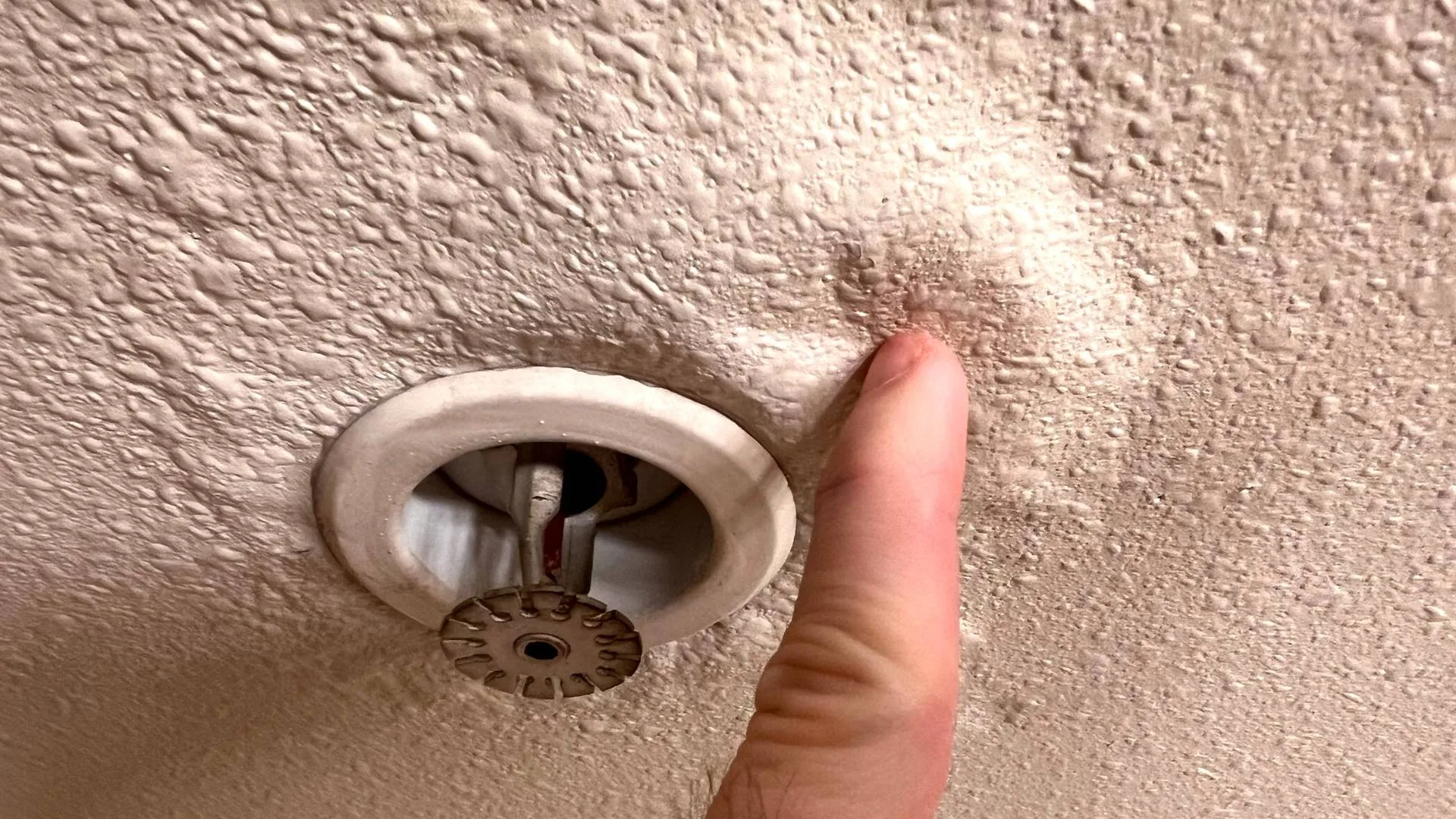
Wind-driven rain can enter around roofing, flashing, windows or wall transitions and then follow hidden building paths. We document the interior moisture pattern while the appropriate exterior specialist identifies and repairs the entry point.
West Vancouver’s coastal exposure and hillside properties can also produce drainage or groundwater issues during prolonged rain. Drying should begin only with a clear plan to prevent continuing entry from undoing the work.
Storm water may enter at an exterior defect and appear metres away at an interior stain. Sloped properties can also direct runoff toward lower entrances and foundation openings. We inspect interior moisture patterns, remove water and wet materials as needed, and identify the likely entry area for a roofer or building envelope specialist to correct.
Interior drying cannot succeed if rain continues to enter. Where safely possible, the property must first be protected from further exposure. We then address the inside: map the wet zone, extract accessible water and create drying access that respects the construction of the home or business.
Our inspection connects these considerations to the actual source, materials and conditions at your West Vancouver property.
Wind direction, rainfall duration and when the leak appears can help narrow the exterior source.
Attics, wall cavities and ceiling voids are checked between the entry area and visible damage.
Safe temporary source control may be needed before permanent exterior repairs can be completed.
We adapt equipment and material decisions to the source, construction and site conditions.
We review where water appeared and whether the exterior is still exposed.
Contents and unaffected finishes are moved or covered where practical.
Standing water and materials that cannot be retained are addressed.
Interior assemblies are dried and monitored after the entry point is controlled.
These general answers help you plan the first steps. Site conditions and insurance policies vary.
Exterior repairs need the appropriate roofing or building envelope contractor and safe conditions. We focus on interior mitigation and can explain the likely entry area.
It can pick up contaminants from roofs, soil and building surfaces. Cleanup decisions depend on where it travelled and how long materials were exposed.
Document the weather direction and leak location. Moisture patterns and that history can help an exterior specialist trace the defect.
Yes. We can assess an affected unit or common area and document moisture movement for the parties coordinating the response.
Speak with a West Vancouver water damage team, get clear next steps and arrange a free inspection.