Floor and wall assemblies
Water can spread beneath laminate, along sill areas and into insulated perimeter walls.
Lower levels can collect water from plumbing failures, sloped lots, foundation entry and drainage issues. We address the immediate flood and the materials it reached.
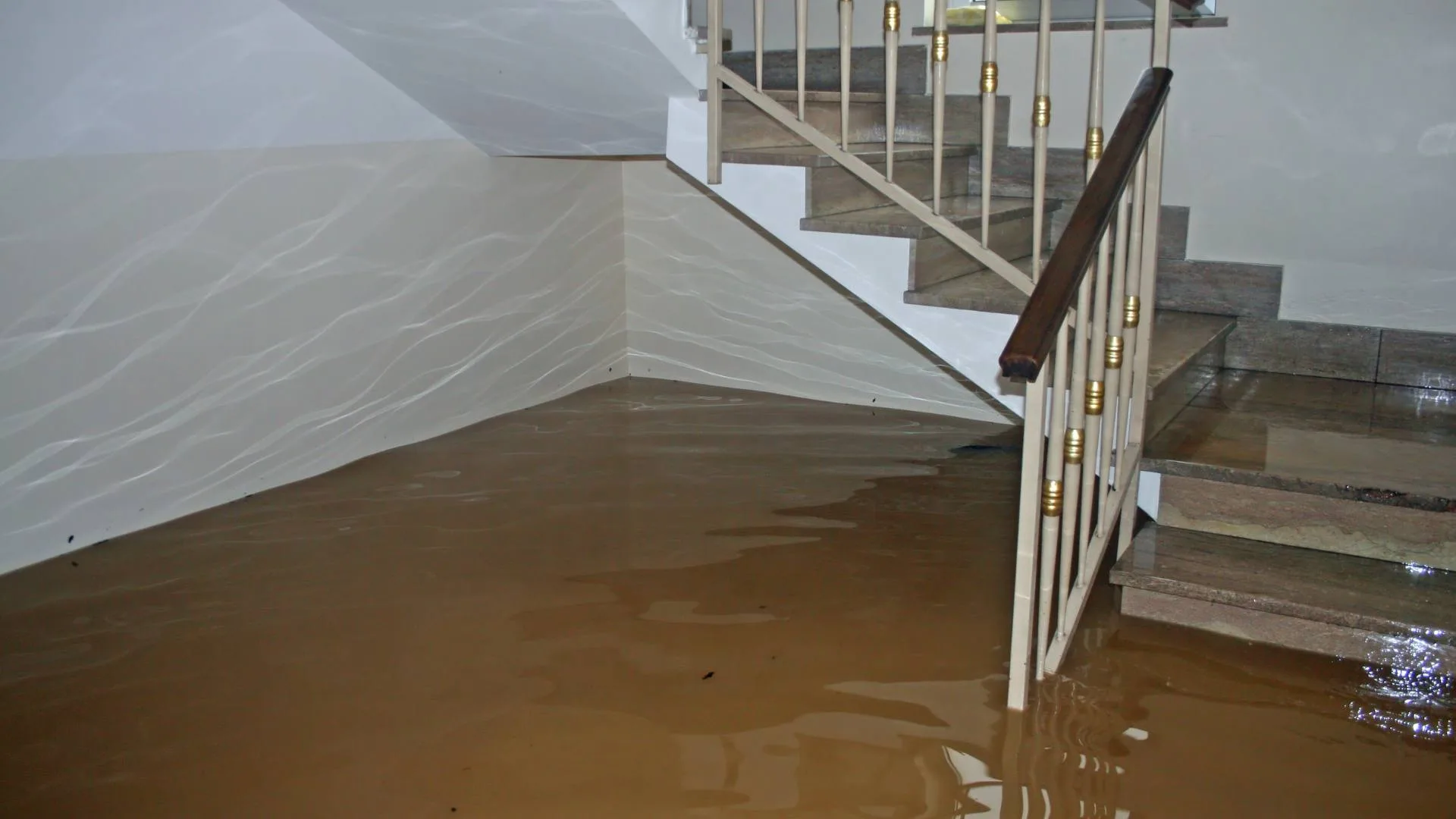
A failed water heater, foundation seepage, drain backup and plumbing break can create similar-looking basement flooding but very different cleanup requirements. We first identify the likely source and any contamination or electrical concerns.
Finished basements can conceal water behind baseboards, beneath floating floors and inside insulated exterior walls. Storage contents and limited airflow also affect how the space is cleared and dried.
Finished basements may include insulated exterior walls, floating floors, storage rooms and utility areas. Water can move beneath finishes without showing at the surface. We inspect wall bases, flooring transitions, cabinetry and adjoining rooms, then build the cleanup around the source and the way the basement is constructed.
We create working zones, move or block up recoverable items and identify materials that cannot be safely dried in place. Where groundwater or drain water is involved, cleaning and controlled removal become especially important before drying equipment is installed.
Our inspection connects these considerations to the actual source, materials and conditions at your West Vancouver property.
Water can spread beneath laminate, along sill areas and into insulated perimeter walls.
Odour, debris and the point of entry help determine whether contaminated water is involved.
Stored belongings, stairs and equipment access influence the safest cleanup sequence.
We adapt equipment and material decisions to the source, construction and site conditions.
We look for ongoing entry, electrical concerns and signs that the water is contaminated.
Standing water is removed with attention to floor edges, drains and utility spaces.
Wet walls, flooring, fixed cabinetry and stored items are evaluated separately.
Airflow and dehumidification are planned for the cooler, enclosed basement environment.
These general answers help you plan the first steps. Site conditions and insurance policies vary.
Avoid entering if water may contact electrical systems or if sewage is present. If safe, stop the water source and call for an assessment.
Yes. The method depends on the flooring and subfloor. Some assemblies can be accessed and dried; others require selective removal.
We can help separate affected contents, protect salvageable items and document belongings in the work area.
After cleanup, address the specific cause with the appropriate trade. This may involve drainage, plumbing, roofing or building envelope repair.
Speak with a West Vancouver water damage team, get clear next steps and arrange a free inspection.