Source isolation
The main water supply or affected branch must be controlled before cleanup can progress.
A failed pipe can release a large volume of water into walls, ceilings and floors in minutes. Once the water is shut off, rapid cleanup is the priority.
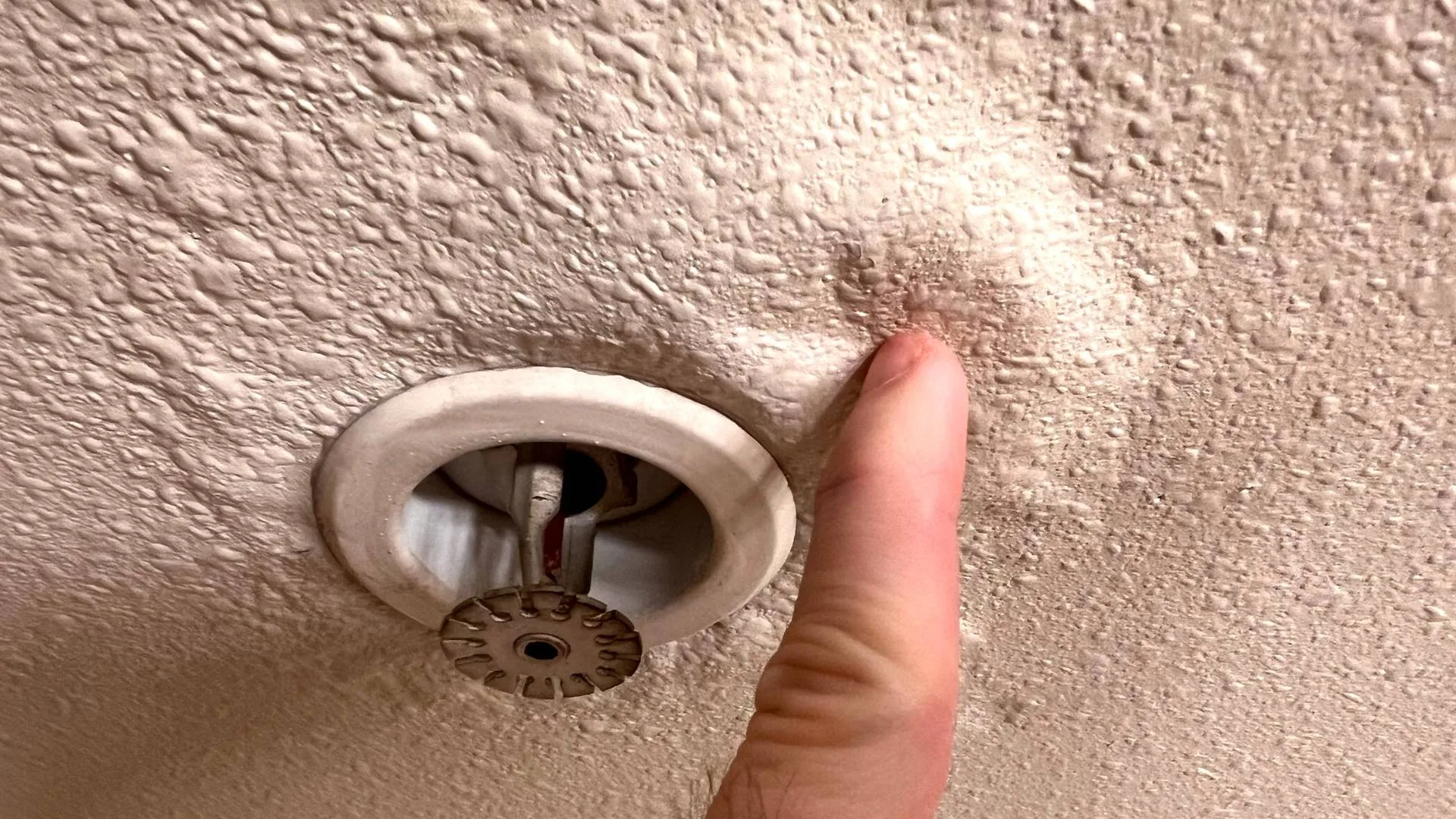
Pressurized supply water can release a large volume quickly and follow framing, wiring and penetrations into lower areas. We trace the moisture path after the water is shut off and coordinate the mitigation scope around plumbing access.
Cold weather, exterior-wall plumbing and vacant properties can increase the extent of a pipe loss. Early photographs, extraction and controlled drying help establish conditions and limit avoidable secondary damage.
Water from a supply line often follows framing, penetrations and stair openings into rooms below. We trace that path with visual checks and moisture instruments rather than limiting the inspection to the obvious break. Plumbing repair should be completed by the appropriate licensed trade. Our role is to remove the water and restore affected materials.
We can begin mitigation while you arrange the pipe repair. Standing water is extracted, vulnerable contents are protected and openings are made only where needed for access or drying. The loss is photographed so you have a clearer record of affected areas and the work performed.
Our inspection connects these considerations to the actual source, materials and conditions at your West Vancouver property.
The main water supply or affected branch must be controlled before cleanup can progress.
Ceilings, walls, floors and rooms below are checked along the likely travel path.
Openings are planned with the plumber’s access needs and later restoration in mind.
We adapt equipment and material decisions to the source, construction and site conditions.
The building water supply is stopped and electrical or ceiling hazards are identified.
We inspect the source room, adjacent spaces and lower levels for migration.
Bulk water is removed and contents are moved or shielded from further exposure.
Walls, ceilings and floors are dried and monitored after plumbing repairs are complete.
These general answers help you plan the first steps. Site conditions and insurance policies vary.
A qualified plumbing professional should repair the pipe. We focus on water removal, drying, cleanup and restoration of affected building materials.
It is safer to have the area assessed first, especially where electrical wiring, insulation or overhead water is involved.
Yes. Water commonly travels through wall and floor cavities, light fixtures and other openings. We check below and beside the visible loss.
Many policies cover sudden and accidental water damage, but exclusions and repair coverage vary. Contact your insurer promptly to confirm your policy.
Speak with a West Vancouver water damage team, get clear next steps and arrange a free inspection.