Isolation
The affected area is separated to reduce tracking and cross-contamination into clean spaces.
Sewage and drain backups require stricter controls than clean water leaks. Keep people and pets out of the affected area and avoid direct contact.
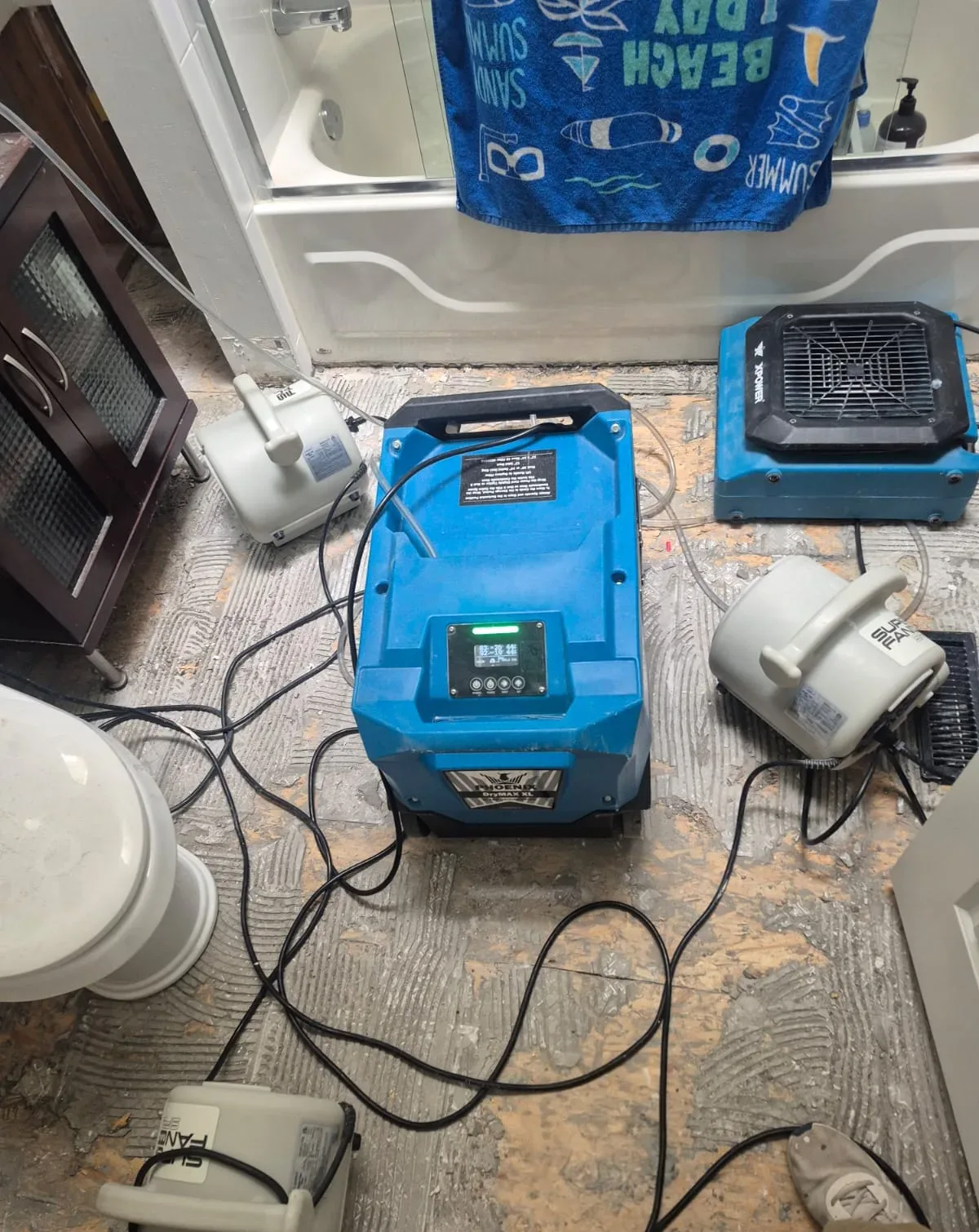
A sewer or drain backup can contain microorganisms and other contaminants that should not be spread through foot traffic or household cleaning tools. Keep people and pets away, avoid operating fans in the area and arrange professional assessment.
Cleanup typically includes containment, removal of unsalvageable porous materials, detailed cleaning and controlled drying. The affected route and cause should also be addressed so restoration does not hide an unresolved drainage problem.
Wastewater may contain microorganisms and contaminants that cannot be managed by simply drying the surface. We define the affected area, use appropriate protective practices, remove materials that cannot be safely cleaned and treat the remaining structural surfaces before controlled drying begins.
Air movement can spread contaminants when used too early. The work sequence matters: control access, remove wastewater and unsalvageable porous materials, clean remaining surfaces and then establish the drying environment. We document the affected zone and the materials addressed.
Our inspection connects these considerations to the actual source, materials and conditions at your West Vancouver property.
The affected area is separated to reduce tracking and cross-contamination into clean spaces.
Porous materials with sewage contact often require removal rather than surface cleaning.
Soil and contamination are addressed before airflow is used to complete structural drying.
We adapt equipment and material decisions to the source, construction and site conditions.
Occupants and pets are kept away, and movement between affected and clean areas is limited.
Liquid and contaminated material are handled using an appropriate cleanup plan.
Remaining structural surfaces are cleaned and treated for the conditions present.
Drying begins after cleanup controls are in place and continues until targets are met.
These general answers help you plan the first steps. Site conditions and insurance policies vary.
Small incidents still involve health risks. Avoid direct contact, do not use household fans and seek professional guidance when porous materials or larger areas are affected.
Heavily contaminated porous materials such as carpet pad, some drywall and insulation often cannot be safely restored. The site conditions determine the scope.
Keep the area restricted until contaminated material has been removed, cleaning is complete and the restoration team confirms normal access can resume.
A plumber or drainage contractor should correct the backup source. We handle the resulting cleanup, sanitizing, drying and restoration needs.
Speak with a West Vancouver water damage team, get clear next steps and arrange a free inspection.